

Key Takeaways
- Ocala’s 55+ retirement neighborhoods—including On Top of the World, Oak Run, Del Webb Stone Creek, and Spruce Creek—have unique electrical needs driven by aging infrastructure, Florida’s storm season, and modern power demands that weren’t anticipated when these homes were built.
- Customized electrical services should prioritize panel upgrades, emergency electrical repairs, lighting and safety upgrades, EV charger installations, and whole-home surge protection, all designed around the specific needs of 55+ lifestyles and aging-in-place priorities.
- All electrical work in these communities should be performed by fully licensed and fully insured electricians with extensive experience in Marion County codes, HOA rules, and the particular requirements of 55+ community living.
- Proactive inspections, code-compliant electrical upgrades, and storm-ready solutions deliver safety, comfort, and peace of mind for seniors and their families—protecting both residents and their largest financial investments.
- This guide walks through what to upgrade, when to call for help, and how tailored electrical services fit common Ocala retirement community homes built between the late 1980s and 2015.
Understanding Electrical Needs in Ocala’s Retirement Neighborhoods
Ocala’s retirement communities represent some of Central Florida’s most desirable places to live. Neighborhoods like On Top of the World, Oak Run, Del Webb Stone Creek, and areas adjacent to The Villages draw active adults looking for comfortable, low-maintenance living. But many of these homes are now 20 to 40 years old, and their electrical systems tell the story of a different era.
Our commitment to serving the unique needs of clients in Ocala’s retirement neighborhoods means prioritizing safety and reliability in every project. We understand that our clients value trust and peace of mind, and we strive to deliver dependable, high-quality electrical solutions tailored to their lifestyles.
When contractors built these houses in the 1990s and early 2000s, they designed electrical systems around the demands of that time. A couple of televisions, a standard refrigerator, basic lighting, and central air conditioning defined the typical load. Fast forward to today, and the same homes now support large side-by-side refrigerators, induction cook tops, multiple flat-screen TVs, home office equipment, medical devices like CPAP machines and oxygen concentrates, and a growing collection of smart home gadgets in every room.
Florida’s climate adds another layer of complexity. Year-round air conditioning isn’t optional here—it’s essential. High humidity accelerates the degradation of wiring insulation and panel components. And during the summer storm season from June through September, Marion County experiences frequent lightning strikes that create surge risks most northern homeowners never consider. These factors combine to stress electrical systems in ways their original designers never anticipated.
For 55+ residents, the goal is often a worry-free home that doesn’t demand constant attention. Our focus is on providing tailored solutions for these clients, ensuring their unique needs are met with practical, reliable service. Reliable, customized electrical services aren’t a luxury in this context—they’re a practical necessity. The right electrical work, done by professionals who understand local codes (including NEC requirements plus Marion County amendments) and HOA standards in gated communities, keeps homes safe and comfortable without creating headaches for homeowners.

We take pride in building long-term relationships with our clients through our commitment to quality and personalized service, ensuring their homes remain safe and comfortable for years to come.
Panel Upgrades Tailored to 55+ Community Homes
Your electrical panel is the heart of your home’s power distribution. Every circuit in your house originates here, and every amp of electricity flows through it. In many Ocala retirement neighborhoods, these panels are now 20 to 30 years old—and that age creates both safety concerns and practical limitations. Outdated electrical panels can pose serious hazards, may be flagged by insurance companies, and often require timely upgrades to ensure safety, code compliance, and continued coverage.
Common Panel Issues in Retirement Communities
| Issue | What It Means |
| Limited capacity | No room for new circuits when adding EV chargers or upgraded appliances |
| Frequent breaker trips | Running multiple appliances simultaneously overloads undersized circuits |
| Outdated brands | Some panels (Federal Pacific, Zinsco) installed before 1990 may be flagged or refused by insurance carriers |
| Worn components | Decades of heat cycling and humidity degrade breakers and connections |
Benefits of Modern Panel Upgrades
Upgrading to a 200-amp or 225-amp modern panel opens possibilities that simply don’t exist with older 100-150 amp service:
- Support for Level 2 EV chargers without straining other circuits
- Dedicated circuits for medical equipment that won’t trip when someone runs the microwave
- Capacity for upgraded HVAC systems and future kitchen remodels
- Modern safety features including AFCI and GFCI protection where required
A quality panel upgrade for these communities should always include customized planning. Before recommending a specific panel size, electricians should review your existing loads, any planned renovations, and HOA or Architectural Review Committee rules that might affect the installation.
The finished job should feature new breakers with current safety features, clear circuit labeling that’s easy to read for seniors (no tiny handwritten notes), and proper permitting with inspection documentation for your insurance file. This paperwork matters—it protects your property and provides proof that work meets the highest standards.
Aging Wiring, Safety Retrofits, and Code Compliance
Many Ocala retirement homes built between the late 1980s and early 2000s still rely on original wiring that has weathered decades of Florida’s humidity and temperature swings. While wiring doesn’t have an expiration date, insulation degrades, connections corrode, and safety standards evolve.
Typical Issues in Older 55+ Homes
Professional electrical inspections in these communities commonly uncover:
- Brittle insulation on conductors, especially in hot attic spaces
- Corroded connections in outdoor junction boxes exposed to humidity
- Loose outlets that spark or don’t hold plugs securely
- Outdated two-prong receptacles in a few remaining older structures
- Missing or non-functional GFCI protection in kitchens and bathrooms
Homes built in the 1970s through early 1980s may also contain aluminum branch-circuit wiring. This material requires specialized terminations, CO/ALR-rated devices, or targeted rewiring to meet modern safety expectations. It’s not inherently dangerous when properly maintained, but it demands attention from electricians who understand its specific needs.
Comprehensive Wiring Evaluation
Customized electrical services should include a detailed wiring evaluation covering:
- Kitchen and bathroom GFCI outlets (testing, not just visual inspection)
- AFCI protection in bedrooms and living areas
- Proper grounding throughout the house
- Safe bonding of metal boxes and fixtures
- Verification that any modifications over the years were done correctly
All upgrades must follow the latest National Electrical Code and local Marion County requirements. But here’s what matters for homeowners: a good electrician explains code changes in plain language so you understand why certain updates are recommended—not just that they’re required. This personalized service builds trust and helps seniors make informed decisions.
Managing Modern Loads: Medical Equipment, Home Offices, and Everyday Power
Retirement living in Ocala today looks nothing like it did even 15 years ago. Many residents rely on medical devices that run continuously—CPAP machines, oxygen concentrates, powered wheelchairs charging overnight. Others maintain active home offices with computers, printers, and multiple monitors. And nearly everyone has more electronics than their home’s original electrical system was designed to handle.
That’s why accurate load calculations are essential for safety and reliability. Each electrical upgrade is a project that requires careful planning and coordination to ensure all needs are met and the work is completed to code.
Homeowners can expect clear communication throughout the process of upgrading circuits or adding new electrical features, with transparency about timelines, procedures, and any necessary adjustments. This helps ensure that every step is understood and there are no surprises along the way.
How Original Circuits Become Overloaded
Circuits designed for 1990s lifestyles can struggle with modern demands. Consider a typical bedroom circuit now supporting:
- A CPAP machine running all night
- A phone and tablet charging
- A television and cable box
- A bedside lamp and reading light
- Occasionally a space heater during cold snaps
Add a spouse doing the same on a shared circuit, and you’ve got a recipe for nuisance trips at 2 AM—exactly when you don’t want to be fumbling with breakers.
Customized Solutions for Modern Living
The right electrical upgrades address these realities:
- Dedicated circuits for medical equipment in bedrooms, ensuring life-safety devices aren’t sharing power with hair dryers or space heaters
- Home office circuits with adequate capacity for computers, printers, and UPS battery backup systems
- Garage and craft room circuits for freezers, power tools, and hobby equipment
- Kitchen upgrades with dedicated circuits for instant pots, air fryers, and countertop appliances that didn’t exist when the house was built
Before adding capacity, electricians should perform formal load calculations to determine whether existing service can support new appliances, hot tubs, or EV charging without overheating wires or causing continuous breaker trips. This isn’t guesswork—it’s engineering applied to your specific needs.
Properly balanced circuits improve daily convenience, reduce frustrating breaker trips at inconvenient times, and protect sensitive medical equipment from power interruptions. For seniors relying on powered devices, this reliability is crucial.
Lighting Upgrades and Aging-in-Place Safety Enhancements
Proper lighting isn’t just about aesthetics in 55+ homes—it’s a safety feature. Falls remain a leading cause of injury among older adults, and inadequate lighting contributes significantly to fall risk, especially during nighttime bathroom trips and early morning routines.
Common Lighting Problems in Retirement Neighborhoods
Many Ocala retirement homes still have:
- Dim builder-grade fixtures from the early 2000s that were economical but never bright enough
- Yellowed plastic lenses that block light output
- Outdated incandescent or CFL bulbs causing glare and eye strain
- Switches in inconvenient locations requiring navigation through dark rooms
Lighting Designed for Aging in Place
Customized electrical services can redesign lighting around aging-in-place principles:
- Bright, even LED lighting in kitchens with high color rendering (CRI 90+) for meal prep and reading medication labels
- Motion-activated night lights in hallways and bathrooms that illuminate automatically
- Step lighting at entryways and lanai transitions to prevent trips on thresholds
- Consistent, glare-free illumination that doesn’t create harsh shadows or blind spots
Practical switch upgrades matter too. Rocker-style switches are easier on arthritic hands than traditional toggles. Three-way switches at both ends of hallways eliminate walking through darkness. And clearly marked exterior switches for landscape and security lighting help homeowners maintain safe property without confusion.

Common Lighting and Switch Upgrades in Ocala 55+ Communities
Specific fixture types that serve these communities well include:
- Flush-mount LED ceiling fixtures in living rooms and bedrooms—no dangling parts to clean or replace
- Under-cabinet LEDs in kitchens built around 1995-2010, filling the dark zones original builders ignored
- Bright, glare-free vanity lighting in bathrooms positioned to illuminate faces without shadows
- Motion-sensing or dusk-to-dawn LED fixtures for front porches and garage exteriors, particularly useful during early morning newspaper pickups or evening walks
Illuminated rocker switches near bedroom doors and bathroom entries reduce fumbling in darkness. Ceiling fans with integrated LED lighting and remote controls give seniors in lanais and Florida rooms better airflow and visibility without complex wall controls.
One technical note: when replacing older heavy fans or fixtures in homes built before about 2005, electricians should verify box support ratings to ensure safe mounting for modern equipment. This detail prevents future problems and ensures installations meet current code requirements.
EV Charger Installations and Garage Power for Active Retirees
Electric vehicles aren’t just for younger drivers. Many Ocala retirees are adopting electric and plug-in hybrid vehicles, and in communities like On Top of the World and Stone Creek, golf carts are essential daily transportation. All of these need reliable charging in garages and carports.
Understanding Charging Levels
| Level | Voltage | Typical Charge Time | Best For |
| Level 1 | 120V (standard outlet) | 8-12 hours for golf carts, 40+ hours for EVs | Golf carts, plug-in hybrids with small batteries |
| Level 2 | 240V (dedicated circuit) | 4-8 hours for most EVs | Full overnight charges, daily drivers |
Most homeowners in retirement communities wanting practical EV charging opt for Level 2 installations. Waking up to a fully charged vehicle without special planning makes daily life simpler.
Customized Planning Process
Professional EV charger installations require careful planning:
- Panel capacity assessment to determine if the existing service can support a 40-50 amp charger circuit
- Distance measurement from panel to preferred charging location
- Mounting height considerations that are easy for seniors to reach and plug into safely
- HOA review for any visible conduit or exterior-mounted equipment
Charger circuits should be dedicated, with properly sized breakers and wiring, GFCI protection where required by code, and professional installation that passes inspection.
Smart electricians also plan for future needs. Installing slightly oversized conduit or extra capacity now supports a second charger or upgraded model in coming years—without tearing into walls again.
Storm Protection, Surge Defense, and Backup Power Solutions
Florida’s storm season demands respect. Afternoon thunderstorms roll through Marion County regularly from June through September, and lightning strikes here aren’t occasional events—they’re routine. Add occasional hurricane-related outages that can leave homes without power for hours or days, and storm protection becomes essential for any Ocala home.
Whole-Home Surge Protection
Whole-home surge protection installs at your main panel or meter, providing a first line of defense for everything in your house. Unlike power strips that protect individual outlets, this approach covers:
- Refrigerators and freezers with expensive compressors
- Smart TVs and entertainment systems
- WiFi routers that keep you connected
- HVAC systems with sensitive electronic controls
- Medical devices that can be damaged by voltage spikes
For seniors depending on medical equipment, surge protection isn’t optional—it’s a safety investment.
Backup Power Options
When storms take down power, options exist at several price points:
- Portable generator inlets with interlock kits allow safe connection of a portable generator without extension cords snaking through the house
- Manual transfer switches provide more circuits and cleaner switching for mid-range budgets
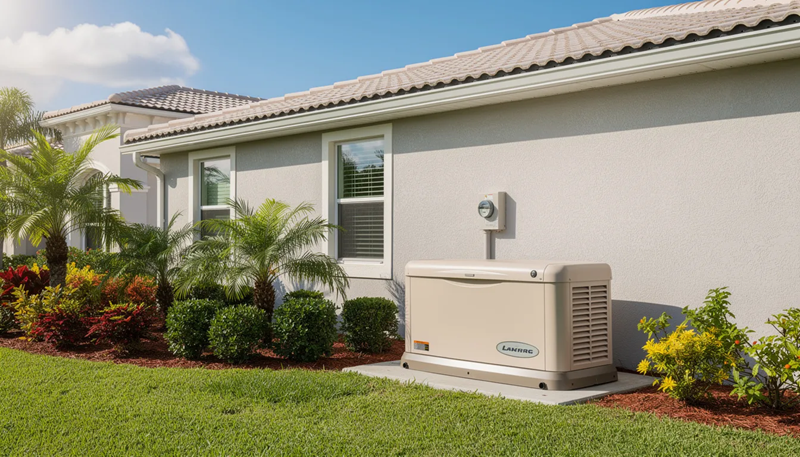
- Automatic standby generators start within seconds of an outage and run until power returns—ideal for homes with medical devices or residents who travel
Customized electrical services should include discussions about priority loads during outages. Most retirement homes don’t need to power everything—just refrigeration, medical devices, minimal lighting, garage door openers, and device charging. Right-sizing backup power keeps costs reasonable while covering what matters.
All generator and surge installations must meet utility company requirements, HOA visual guidelines, and manufacturer specifications. This prevents hazards like backfeeding (which endangers utility workers) and ensures equipment works safely when needed.
Emergency Electrical Repairs Designed Around Senior Safety
Electrical emergencies don’t follow convenient schedules. When power fails at 11 PM or a burning smell comes from an outlet, seniors need reliable help fast—especially when power loss affects medications, home oxygen, or mobility aids.
Common Emergency Issues in Retirement Neighborhoods
Electrical Emergency Calls from 55+ communities frequently involve:
- Burning smells from outlets or switches requiring immediate investigation
- Partial power loss to certain rooms while others work fine
- Main breakers that trip and won’t reset
- Storm-related damage to exterior service equipment, meter bases, or overhead connections
- Sparking or arcing sounds from panels or outlets
What Senior-Focused Emergency Service Looks Like
A great company serving retirement communities operates differently than general contractors:
- 24/7 or extended-hours availability because emergencies don’t wait for business hours
- Clearly explained dispatch fees before the technician arrives, so there are no surprises
- Technicians trained to communicate calmly with older adults who may be frightened or confused
- Marked vehicles and visible identification so seniors know who they’re opening the door to
- Willingness to coordinate by phone with neighbors, caregivers, or out-of-town family members when needed
After stabilizing an emergency, professional electricians provide written explanations and prioritized repair plans. This documentation allows seniors to review options with family or financial advisors before authorizing larger projects. No pressure, no rush—just professional guidance that respects both safety and budget concerns.
Navigating HOA Rules, Permits, and Inspections in 55+ Neighborhoods
Most Ocala retirement neighborhoods operate under HOA governance with Architectural Review Committees (ARCs) that must approve visible electrical changes. Understanding this process prevents frustrating delays and rejected applications.
Additionally, hiring licensed and insured electricians is essential to ensure all work meets HOA and local code requirements, and to facilitate smooth permit approvals and inspections.
When HOA Coordination Matters
Specific scenarios requiring ARC approval typically include:
- Exterior lighting changes visible from the street or common areas
- Generator pad installations with permanent equipment
- EV charger conduit running on exterior walls
- New meter or service upgrades that alter the home’s appearance
- Landscape lighting installations
How Professional Electricians Handle the Process
Customized electrical services from experienced local providers should include:
- Written scope descriptions suitable for ARC submission
- Basic drawings showing equipment locations and conduit routing
- Product specification sheets for fixtures and equipment
- Guidance on what does and doesn’t require approval
Permits are required for major work like panel upgrades, new circuits, and generator installations. Licensed electricians should manage permit applications with Marion County or the City of Ocala, handling the paperwork so homeowners don’t have to navigate bureaucracy.
Having permits and passed inspections on record helps with future home sales, refinances, and insurance reviews. This documented proof that work meets current safety standards protects your property value and gives buyers confidence when you decide to sell.
Choosing an Electrician Who Understands Ocala Retirement Communities
Not all electricians are equally qualified for work in 55+ communities. Experience specifically within these neighborhoods matters—familiarity with common floor plans, typical panel locations, and HOA expectations leads to smoother, faster projects. Choosing a trusted name in the community for customized electrical services for Ocala retirement neighborhoods ensures reliability, proven expertise, and peace of mind.
While a handyman may be able to handle basic repairs, electrical work in retirement communities should always be performed by licensed electricians to guarantee safety and code compliance.
What to Look For
When evaluating electrical contractors for your Ocala home, verify:
| Requirement | Why It Matters |
| Florida state electrical license | Legal requirement; ensures basic competency |
| Liability and workers’ comp insurance | Protects you from responsibility if accidents occur |
| Clean background checks | Important for contractors entering seniors’ homes |
| Local reviews mentioning Ocala or Marion County communities | Proves actual experience in your area |
Ask prospective electricians about their experience with panel upgrades in homes built from 1985-2010, whole-home surge protection installations, EV charger circuits, and senior-focused lighting improvements. Contractors who serve surrounding communities regularly will have ready answers.
Signs of a Trustworthy Electrician
The right contractor communicates clearly in writing: written estimates, itemized options (good/better/best), warranty terms, and follow-up support if questions arise after the job. They connect with homeowners personally, taking time to explain recommendations.
A reliable electrician will never pressure seniors into unnecessary upgrades. They explain which repairs are urgent for safety and which can be scheduled later to fit budgets. They serve the customer’s interests, not their own sales targets.
Look for companies that have built lasting relationships in retirement communities—contractors whose business depends on referrals from satisfied customers don’t take shortcuts or oversell services. Their integrity shows in their reputation.
FAQ: Electrical Services for Ocala Retirement Neighborhoods
This section addresses common questions from homeowners and families about electrical safety and upgrades in Ocala 55+ communities. Each answer provides practical, non-technical guidance about when to involve a licensed electrician.
Do you provide electrical services for new construction in Ocala retirement neighborhoods?
Yes, we offer customized electrical services for new construction projects in Ocala retirement neighborhoods. Early planning is essential to ensure proper installation, code compliance, and future-proofing your home’s electrical system. We work closely with builders and homeowners to obtain permits, design efficient layouts, and support modernization and energy efficiency from the ground up.
Do you also offer plumbing services or bundled home maintenance solutions?
While our primary focus is on electrical services, many providers in the area offer bundled solutions that include plumbing, HVAC, and electrical work. Bundling plumbing and electrical services can be especially convenient for seniors, providing a one-stop solution for home maintenance, repairs, and emergency needs. Always check that your service provider is licensed and insured for all services offered.
How often should Ocala retirement homeowners schedule an electrical inspection?
Homes built before about 2000 in Ocala’s 55+ neighborhoods should have a professional electrical inspection every 3-5 years, or sooner if you experience recurring issues like tripped breakers or flickering lights. These older homes have systems that have weathered decades of Florida conditions, and problems often develop gradually.
For newer homes built roughly between 2000 and 2015, inspections every 5-7 years are reasonable—unless you’re planning major changes like adding an EV charger, standby generator, or full kitchen remodel. Any significant new load warrants a fresh assessment.
Thorough inspections should include panel condition evaluation, breaker performance testing, GFCI/AFCI verification, wiring integrity checks in attics and garages, and confirmation of grounding and bonding systems. Request a written report—it’s helpful for tracking changes over time and can be shared with family members or insurance providers to document proactive maintenance.
What electrical upgrades add the most safety for seniors living alone?
The top safety-focused upgrades include GFCI and AFCI protection in kitchens, bathrooms, laundry areas, and bedrooms where these devices may be outdated or missing. Bright, non-glare LED lighting throughout the home prevents falls and makes daily tasks easier. Clearly labeled panels allow circuits to be shut off quickly during emergencies—by the homeowner, a neighbor, or emergency responders.
Motion-activated night lighting in hallways and bathrooms prevents the nighttime stumbles that lead to serious injuries. Accessible light switch heights with rocker switches are easier to operate for anyone with arthritis or limited dexterity.
Adding dedicated circuits for medical equipment reduces the risk of unintended shutoffs when other devices are used simultaneously. These upgrades can usually be completed with minimal disruption and often in a single first visit, making them practical even for homeowners with mobility limitations.
Can family members coordinate electrical work remotely for an Ocala 55+ homeowner?
Many electrical companies serving Ocala retirement neighborhoods work regularly with adult children or caregivers who live out of state. This remote coordination is increasingly common and most professional contractors have developed efficient processes to manage it.
Best practices include remote scheduling by phone or email, photo or video documentation of issues and completed work, and digital copies of estimates, invoices, permits, and inspection results. Some companies use video calls to show family members existing conditions before work begins.
The homeowner should grant clear permission for the electrician to discuss findings and options directly with the designated family contact. This approach gives families peace of mind, ensuring essential electrical safety work is handled professionally even when they cannot be physically present.
What are signs that an Ocala home’s electrical panel is no longer adequate?
Practical warning signs include frequent breaker trips when using common appliances, warm or buzzing breakers, visible rust or corrosion in the panel, and lack of open spaces for new circuits. If you can’t add a circuit without replacing something else, your panel has likely reached capacity.
Homeowners may also hear from insurance carriers about panel brand or age concerns, especially for homes approaching 30-40 years old. Some insurers specifically flag Federal Pacific and Zinsco panels found in older construction.
Any burning smell, discoloration around breakers, or evidence of water intrusion near the panel requires immediate attention from a licensed electrician. Don’t wait to schedule—these symptoms indicate potential fire hazards that demand prompt evaluation.
Do small electrical projects in retirement communities still need permits?
While some very minor like-for-like repairs may not require permits, most substantial work does require permits in Marion County or the City of Ocala. This includes panel changes, new circuits, EV charger installations, and generator hookups.
Permits and inspections protect homeowners by verifying that work meets current safety codes. They also create important documentation for future real estate transactions—buyers and their inspectors will look for permit records on any visible upgrades.
Be cautious of anyone offering major upgrades “without a permit” as a cost-saving measure. This creates serious safety, insurance, and resale problems later. Professional electricians handle all permitting details and clearly explain which jobs require inspection and approximately when that will occur. The small cost of permits provides significant value in protection and documentation.
